Antelope Canyon Flash Flood Safety
How water reaches a slot canyon under clear skies, and what past floods show
How a flash flood reaches the canyon
A flash flood is defined by a gap of fewer than six hours between rainfall and the onset of flooding. In a deep slot canyon, a storm on a mesa miles away can send floodwater down to hikers who have seen no rain nearby. Rain from dozens of miles away funnels into Antelope Canyon, and flash floods can reach it even when no rain falls close by.
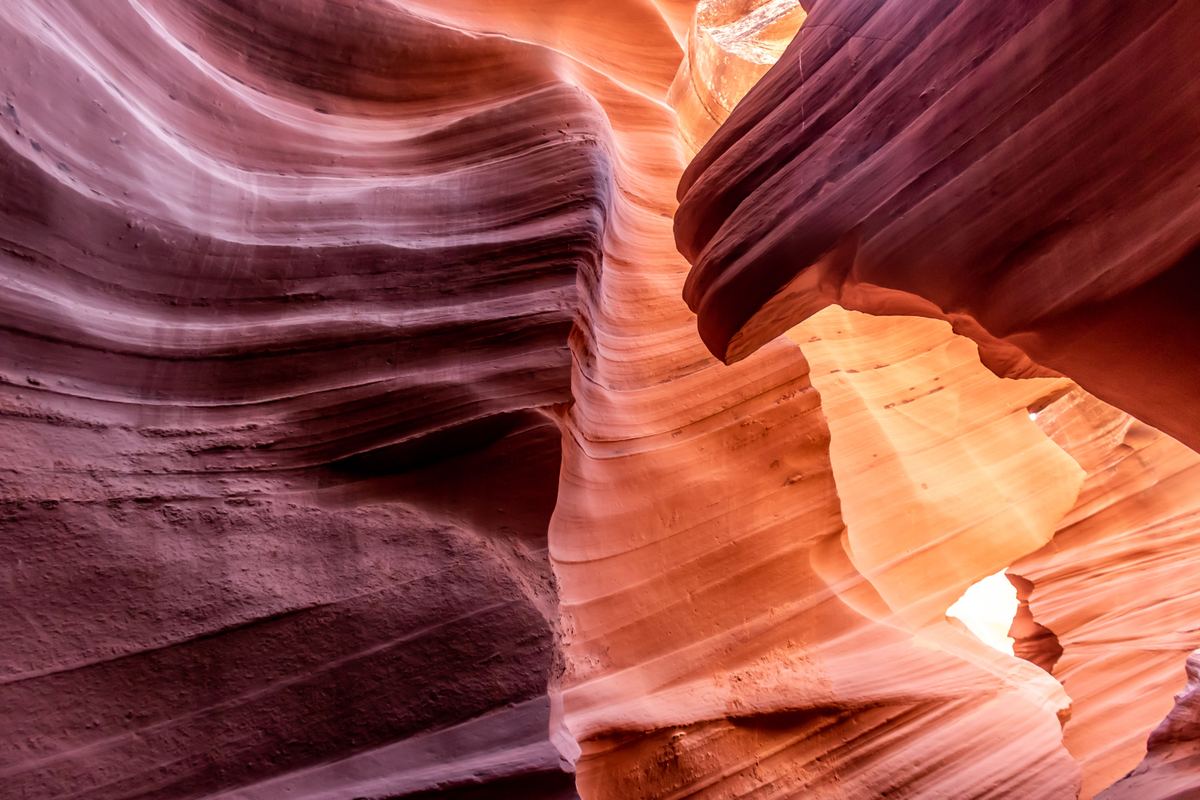
A desert flash flood can arrive while the weather at the observer's location is clear. The same process shaped the canyon itself: Antelope Canyon was formed by erosion of Navajo Sandstone, driven by flash flooding and other sub-aerial processes.
What a flood carries and what the walls allow
Desert flash floods can be headed by large amounts of debris such as rocks, branches and logs. Inside a slot canyon, the walls make it hard to climb out of the way of a flash flood sweeping through.
The US National Weather Service advises 'Turn Around, Don't Drown': leave the area of a flash flood rather than trying to cross it.
Flood history in the region
On August 12, 1997, a flash flood killed eleven tourists in Lower Antelope Canyon. That flood was fed by an earlier thunderstorm that dumped water into the canyon basin 7 miles (11 km) upstream. A separate event, the September 2015 southern Utah cloudburst, ended with seven people dead at Zion National Park after floodwater trapped them in a slot canyon.
| Event | Place | Toll | Detail |
|---|---|---|---|
| August 12, 1997 flood | Lower Antelope Canyon | 11 deaths | Fed by an earlier thunderstorm 7 miles (11 km) upstream |
| September 2015 cloudburst | Zion National Park, southern Utah | 7 fatalities | People were trapped by floodwater in a slot canyon |
Closures and guided-only access
Flash flooding can at times close Antelope Canyon for up to several months, and it can sometimes close the canyon for a similar stretch of several months.
Visitors must use a guide in Antelope Canyon, and guided tours are the only way in. Summer flash flood risk is named as part of the reason the canyon is visited only through guided tours.
Conditions and limits on site
Falling sand can make the stairs in Lower Antelope Canyon slippery. In Upper Antelope Canyon, visitors may spend at most two hours inside, a limit in place since May 1, 2011.
Navajo Parks and Recreation accepts no liability for damages or injuries, and visitors enter at their own risk.
The turnoff to the Upper Antelope Canyon entrance is about 2 miles east of Page on Highway 98. The Antelope Canyon Park Office is 3 miles (4.8 km) south of Page.
Guided tours
Antelope Canyon tours
Flash flood questions
Can a flash flood reach Antelope Canyon when it is not raining?
Yes. Rain from dozens of miles away funnels into the canyon, and a desert flash flood can arrive while the weather at the observer's location is clear.
How is a flash flood defined?
It is defined by fewer than six hours between rainfall and the onset of flooding.
What happened in Lower Antelope Canyon in 1997?
A flash flood on August 12, 1997 claimed eleven lives among tourists. It was fed by an earlier thunderstorm that dumped water into the canyon basin 7 miles (11 km) upstream.
Can floods close the canyon?
Flash flooding can at times close Antelope Canyon for up to several months.
Is a guide required in Antelope Canyon?
Yes. Visitors must use a guide, and guided tours are the only way into the canyon.
What does the National Weather Service advise about flash floods?
The advice is 'Turn Around, Don't Drown': leave the area of a flash flood rather than trying to cross it.
Who is liable for injuries in the canyon?
Navajo Parks and Recreation accepts no liability for damages or injuries, and visitors enter at their own risk.